
Spalted Tamarind
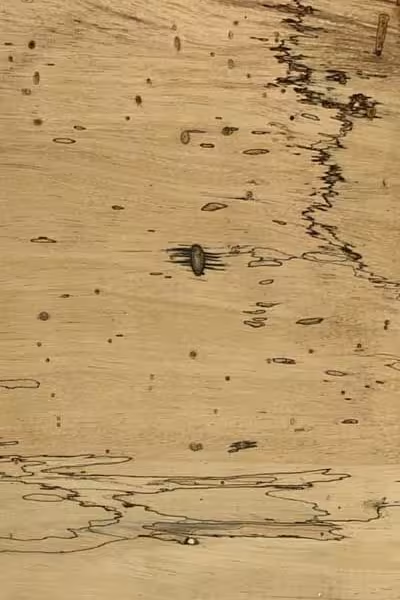
Spalted Tamarind is a captivating and highly sought-after type of wood derived from the tamarind tree. Known for its unique and decorative patterns, spalted tamarind is prized by woodworkers, artists, and craft enthusiasts worldwide. Let’s explore what makes this wood so special, its characteristics, uses, and more.
The Beauty of Spalted Tamarind
The term “spalted” refers to a natural process in which fungi colonize wood, leaving behind stunning patterns of black lines, streaks, and zones of discoloration. This fungal activity occurs during the decay phase but is carefully managed to stop before the wood becomes too weak for use. The result? One-of-a-kind markings that elevate the tamarind’s already rich appearance to a whole new level.
Distinctive Patterns
Spalted tamarind often displays a mix of creamy white, golden yellow, and light tan tones interspersed with intricate black lines or marbled areas. Each piece of wood is unique, offering a natural, artistic appeal that cannot be replicated.
Explore more about Exotic Woods and our extensive Wood Collection here.
Characteristics of Spalted Tamarind
1. Color and Texture
- Color: A blend of light, warm hues like creamy white or yellow, contrasted by dramatic black spalt lines.
- Texture: Tamarind wood is typically dense and smooth, but spalted areas can have softer spots due to fungal activity.
2. Hardness and Strength
- Tamarind wood is naturally dense and strong, making it suitable for a wide range of applications.
- Spalted sections may be softer and sometimes require stabilization for added durability.
3. Unique Patterns
- The patterns are created by fungal growth, with each piece showcasing unique marbling or zoning, adding to its artistic value.
Discover more about Exotic Hardwood from our trusted Hardwood Supplier here.
Applications of Spalted Tamarind
Due to its striking appearance and versatility, spalted tamarind is used in a variety of creative and functional projects:
1. Woodturning
- Popular for crafting bowls, pens, and small decorative items.
2. Furniture and Inlays
- Adds elegance and uniqueness to fine furniture, veneers, and decorative inlays.
3. Artistic Projects
- Ideal for knife handles, jewelry, and sculptures, offering a touch of natural beauty.
Explore our premium Quality Woods for your next project here.
Sourcing and Availability
Tamarind trees are native to tropical regions, including parts of Asia, Africa, and the Americas. While tamarind wood itself is relatively common, finding spalted tamarind can be more challenging due to the specific conditions needed for spalting to occur.
Carefully sourced spalted tamarind ensures that the wood is both sustainable and usable, balancing its beauty with environmental responsibility.
Find top-quality Exotic Hardwood and more here.
Caring for Spalted Tamarind
Proper care is essential to maintain the beauty and integrity of spalted tamarind. Here are some tips:
- Stabilization: Soft or spalted areas may need to be treated with resin to strengthen the wood.
- Finishing: Apply a clear finish to enhance the natural patterns and protect the wood from wear.
- Avoid Moisture: Prevent prolonged exposure to water, as this can compromise the integrity of the wood.
Why Choose Spalted Tamarind?
Spalted tamarind is more than just wood; it’s a natural work of art. Its unique appearance, versatility, and durability make it a favorite among woodworkers and artisans. Whether you’re creating fine furniture, crafting a one-of-a-kind pen, or designing jewelry, spalted tamarind adds an element of sophistication and uniqueness that few materials can match.